Is a Joint Bank Account Right for You?

The decision to open a joint bank account might not be as straightforward as you think. There are a variety of benefits and risks associated with joint bank accounts that all involved individuals should weigh before opening a new account.

Who Should Open a Joint Banking Account?

Joint accounts offer a new level of convenience and flexibility for the account holders that weren’t possible before. Many joint banking accounts are started by couples who move in together, get engaged, or are married. The sharing of a bank account is a big step for most relationships as it combines financials together and forces partners to manage money with another person’s perspective in mind.

Joint banking accounts can also be a great solution for helping someone manage their own money. Parents will often set up joint accounts with their children as they enter their teenage years in an effort to help teach healthy financial habits and money management. These same accounts are also helpful for individuals with aging parents who may need additional help overseeing their finances.

Another common reason for starting a joint bank account is for business partners to have equal insight and responsibility for the related finances. Entrepreneurs and business owners often have co-owners or other stakeholders who need access to banking information and funds for day-to-day operations to run smoothly.

The Benefits of a Joint Bank Account

  • Convenience: The biggest benefit and most commonly cited reason for opening a joint banking account is the convenience it affords multiple individuals when managing combined financials. Now all involved parties have equal visibility and responsibility for the management of their money. This helps co-owners pay for joint expenses easier, increase their buying power, and more.
  • Increased FDIC Insurance: Combined accounts ensure each co-owner is listed on the account, increasing the amount of money covered by the FDIC. For example, a joint banking account held by you and your spouse would be FDIC insured for up to $500,000 — which is double what an individual bank account is covered for.

The Risks of a Joint Bank Account

  • Financial Disagreement: Everyone has their own idea of how to best manage finances. This also leads to every individual having a different relationship with money. Joint banking accounts can cause disagreements and strife between account holders if they cannot agree on a middle ground strategy.
  • Lack of Privacy: Due to multiple people having access to the account, all account co-owners can see financial history and actions, such as payments, withdrawals, and balances. This level of transparency can make it hard for some account owners who wish to not have every banking action be able to be scrutinized or questioned.
  • Equal Responsibility: A joint banking account puts all co-owners on the hook for any overdrafts or issues associated with the account. This means the account assets are open for seizing to creditors, liens, and lawsuits if other co-owners get into financial or legal troubles.


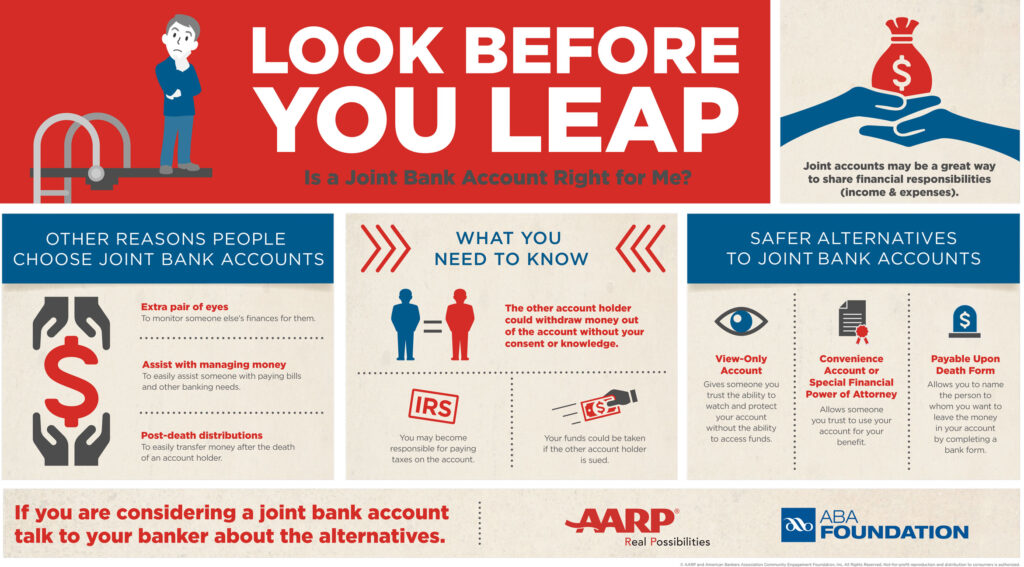
The American Bankers Association Foundation and AARP have produced an infographic to help people understand the risks of joint bank accounts.

New Credit Card Login Portals

Upgraded Credit Card Management is coming!

November 8, 2021, the online credit card management webpages for business and personal credit cards are getting upgraded with improved navigation for your phone, tablet, or laptop, PLUS additional tools for your Callaway Bank business credit cards!


Beginning the evening of Thursday, November 4 through Monday, November 8 (mid-morning) the credit card login pages will not be accessible. We apologize in advance for any inconvenience this might cause. However, we’re excited for you to take the new website for a test drive Monday, November 8 as soon as they go live!


Two New Websites:

The new system has two options which are tailored to whether you have a personal or business card.

Option 1:  Business Cards
Managing your Business Credit Cards is easier than ever!

With Spendtrack®, the online portal for business credit cards, you can manage all your credit cards, for you and your team, from your phone, tablet, and computer, making it easy to stay up to date with the latest from your team. Plus, you will get these new features in one simple place:

  • Lock and unlock business credit cards if they are stolen or misplaced.
  • Easily communicate with your team using notifications to help ensure every team member receives changes you want to see for your spending activity at your company.
  • View your company and individual spend trends and activity based on merchant type.

Here is what the Spendtrack login screen will look like:

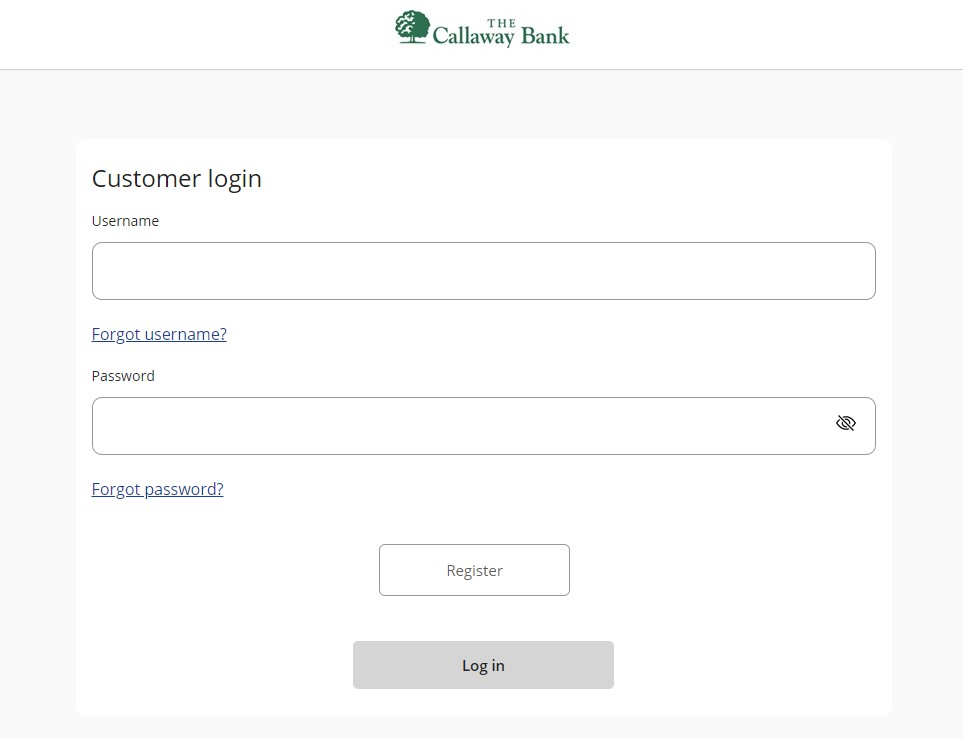
Spendtrack portal login


Option 2: Personal Cards
Credit Card Manager

With the Credit Card Manager site, you will have an easier-to-navigate user interface you can use with your laptop, phone, or other mobile devices. The Credit Card Manager login screen can be seen here:

credit card portal login


For any questions regarding your account or the login process, please don’t hesitate to contact us using video chat, text, call, or email!

Keep My Banking Private

Summary of the Proposed Change

A current proposal to the federal budget would require banks and other financial institutions to report to the IRS on the deposits and withdrawals of business and personal accounts with average balances over $600.

  • All banks would be required to participate. There is no option for the bank to decline participation.
  • There is no opt-out for the account holder, either.
  • All bank account transaction information: Inflows (deposits), Outflows (withdrawals, purchases, transfers, etc.) would be reported to the IRS.

Why We Believe This is Detrimental

We believe this is an intrusive overreach into your privacy and a costly burdensome process that will produce negative unintended consequences for our nation’s economy.  We also believe it won’t accomplish the stated goal of reducing tax evasion.

  • It constitutes a broad, unwarranted infringement on the privacy of all bank customers, even those under no suspicion of tax evasion.
    • Honest but private people could feel forced to avoid using the banking system, just on the principle that the government shouldn’t have the prerogative to monitor honest citizens without probable cause.
    • Avoidance of the banking system means an increase in underground activity and reliance on cash, which increases safety concerns and the risk of loss.
    • Money movement does not equate to taxable net income.
    • Undermining the banking system weakens our economy and our nation’s ability to manage monetary policy for our global economic protection.
    • The costs of data-gathering and reporting have to be paid by someone, likely resulting in the increase of fees or reduced interest rates on deposits.
    • Would there be a level playing field between regulated banks required to perform this function and other pseudo-financial companies like PayPal?
    • The “bad” actors will just find another way to avoid scrutiny.
  • It will increase tax filing complexity and confusion.
  • It will overwhelm the IRS with personal financial data and increase the risks of data breaches.
  • The proposal would require banks to perform a policing function on behalf of the Treasury, an inherently governmental role that is inappropriate for private sector organizations.
What You Can Do

If you would like to contact Congress about this proposal, you can find your Representative here or Senators here.

The Benefits of Shopping Local Ripple Through Communities

“Shopping local” has been a buzzword for years, but it’s only becoming more relevant as online retail continues to gain momentum. So, why shop local? The reality, of course, is that a dollar spent locally pays dividends for a community in ways that online purchases just can’t. Fortunately, recent data¹ has shown a sharp increase in consumers planning to shop at small businesses – up more than 25 percent. The benefits of this behavior are clear.

Local Economy

When you spend money locally, those dollars don’t just evaporate to some corporate headquarters across the country or around the world. Instead, they tend to stay in the community, where they’re reinvested between three and six more times. When consumers spend $100 at a chain store, only $13 stays in the local community², on average. At a local business, that number rises to a healthier $48.

Local Business

The need to shop local is even more important now, as many communities, including our own, have felt the financial impacts from COVID-19. The past few years have been hard for independent business owners to keep positive profit margins while navigating health guidelines and consumer concerns. This leaves it up to us, the fellow community members, to prioritize shopping locally, to keep our towns economically healthy, and our neighbors doing what they love — serving this community. The benefits of shopping local are not only felt in the pocketbooks of these store owners but almost everywhere.

Schools

Local spending is one of the most important sources of tax income for local and state governments. K-12 schools, in particular, rely heavily on the financial resources³ of these government bodies — about 47 percent of school revenues come from state funds and another 45 percent comes from local governments. The small need remaining is what’s met by the federal government, which is the story for most other public assets as well.

Public Services

While the federal government helps to build and maintain public assets, state and local governments generally cover three-quarters of the cost of maintaining and improving these assets. When it comes to the foundation of a state’s economy — specifically schools, water treatment and distribution, and transportation — state and local governments spend 90 percent of their tax revenue⁴ on these projects.

In order to accurately measure tax revenue generation and compare one area to another, a “per acre” figure helps to illustrate the source of tax dollars. While a typical big-box retail store will earn a county around $7.11 per acre in tax revenue, the same area generates $287.55⁵ in a mixed-use business district that you’d typically find on Main Street, USA.

Real Estate

Tax revenues aren’t the only benefit, however. When you shop local, supported independent businesses are also a boon to the real estate market, and on average, home values in these neighborhoods increase by 50 percent⁶.

Jobs

These businesses are also responsible for creating around two-thirds of private-sector jobs⁷. Every $10 million spent at local businesses results in 57 jobs. The same amount spent at online retail giant Amazon creates just 14 jobs — and those jobs aren’t in the community. Just think about that. When you shop local, you are helping protect the jobs of your family, friends, and neighbors, as well as creating new employment opportunities for your community in the future.

Shop Local, Give Local, Bank Local

There are many clear benefits to spending money locally, and at The Callaway Bank, we don’t just do business in the community; we live in it. As an independent community bank, our neighborhoods are more than just our livelihood, and all our decisions center around giving back. That’s why we do all we can to support our local community, including the push to get more individuals to shop local — including ourselves.

Learn more about the benefits of banking local.

Sources:
¹;vistaprint.com, Vistaprint® Consumer Survey ²;amiba.net, Ten Studies of the “Local Economic Premium” ³;cbpp.org, A Punishing Decade For School Funding ⁴;cbpp.org, It’s Time For States To Invest in Infrastructure ⁵;ilsr.org, Key Studies: Why Local Matters ⁶;huffingtonpost.com, Small Businesses are the lifeblood of local communities ⁷;bealocalist.org, Why Local Matters

Help us support our local shops! Join the Callaway Bank Rewards Program!

Callaway Bank Rewards

New eAlert Update

New eAlert Features To Customize Your Banking

eAlerts are text messages or emails that alert you to a balance or transaction on your account. We’ve made some improvements to make it easier to set them up and easier to read.

New eAlert Options You Can Utilize:

  • You can now set up and manage eAlerts via our Personal Mobile App
  • Control the day and time you receive alerts, meaning you can pause them overnight
  • Alerts via text are condensed to 1 text message
  • Accounts will be checked for updates more frequently – every 15-minutes

Already Use eAlerts?

If you already utilize our eAlert system, you won’t have to do anything for this update! Your eAlert notifications will continue to be sent based on the eAlert setting you created before the update. If you would like to review or change your eAlert settings, you can quickly do so from our Personal Mobile App!

Can I still access eAlerts from within Online Banking?

Unfortunately, no. Our Personal Mobile App will now be the central place to manage or set up your eAlerts. Additionally, any alerts that went to your Online Banking messaging center previously will now be sent to the email we have on file.

These can be changed to text messages or a different email address via the Personal Mobile App by following the steps here or without the app by filling out this form.

Set up or manage eAlerts with our Personal Mobile App

Learn How

Consumer Alert: Mortgage Scam

Have you received a postcard or letter with “an important matter” regarding your mortgage?

Have you received a postcard or letter about a time-sensitive issue with your mortgage urging you to call an unknown phone number? If you have, you are not alone. Scammers all across the country are pulling public data records to target you and your information.

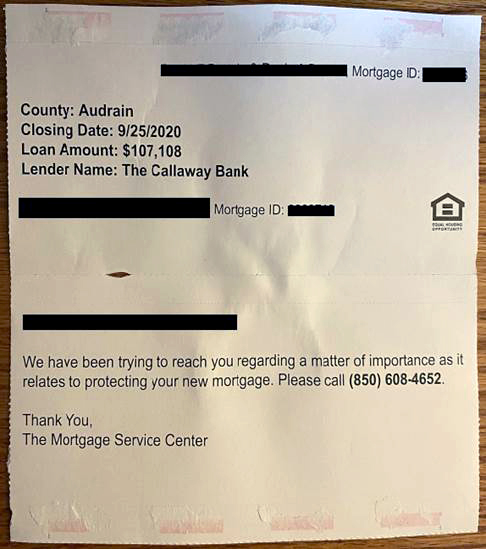
The first thing to understand is that these mailings did not come from The Callaway Bank or any other financial institution. They are sent to homeowners in the hopes of selling them something or, most often, to steal their identity by tricking them. Recipients are asked to call a phone number about an “important matter” with their loan. This scam is especially tricky because it looks like a late notice or official letter that mentions your lender by name.

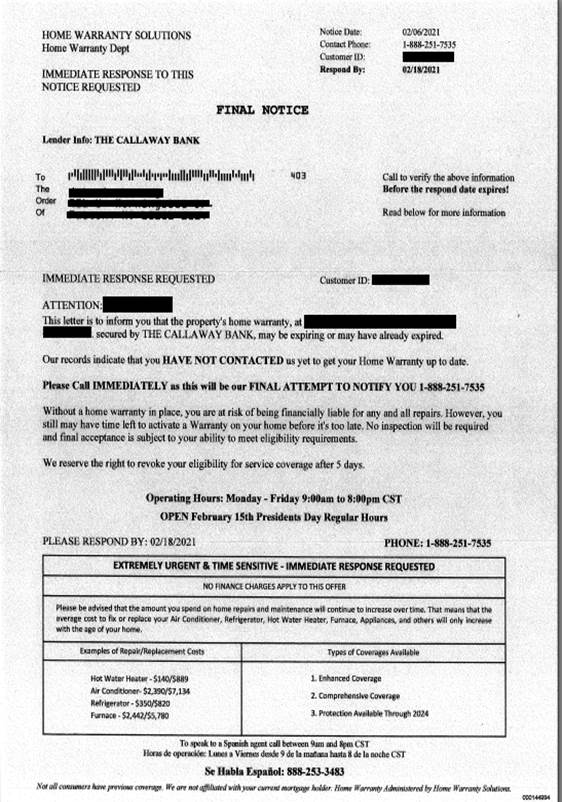
The notices will often have a small disclaimer on the bottom stating, “Not Affiliated With” and your lender name. However, in the example below, there is no mention of that.


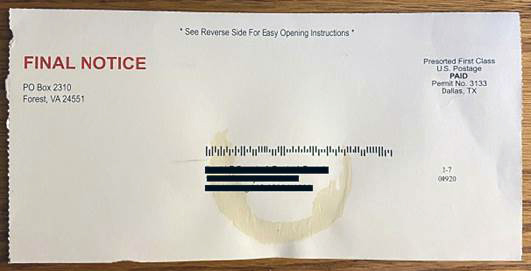
Final Notice Scam MailMortgage Scam Mail


The example seen below is from Home Warranty Solutions and mentions The Callaway Bank as the lender. According to The Better Business Bureau, Home Warranty Solutions has a C rating and not BBB Accredited. The letter also gives the impression that they are working with the bank. But that is not true at all.


Home Warrenty Solutions scam mail


The Callaway Bank is committed to protecting your personal information, and we do not sell or otherwise distribute it to non-affiliate third parties. There is some information with mortgages, regardless of what lender you might have worked with, that is public record. Public Record entries are how scammers like this obtain your information. For example, companies can get information from a county recorder’s office, such as lien filings or property purchase and transfer documents, which are all public records. The records and the information they can gather are used to develop letters with detailed information to help legitimize the “important matter” they refer to.

If you receive the notice, disregard and dispose of it as you would any other junk mail. Calling the number may connect you with a real person, or it may connect you to an automated recording. Regardless, do not offer your personal information. It could lead to some unfortunate problems.

Please contact us for any questions you may have.

How To Fight Cardholder Fraud

fraud alert on computer

Have you ever wondered how your stolen information is used to commit fraud, and what you can do to help prevent it? We have some tips to help you keep your information safe.

Fraudsters have become increasingly adept at getting the information they need to commit fraud by posing as financial institution call center agents, or by sending text messages that look like they are coming from your trusted financial institution, warning of suspicious transaction activities. They are also known to call in to call centers posing as customers requesting changes to their card information and parameters. Fraudsters use information stolen through data breaches (at health insurance providers, reward program providers, credit bureaus, merchant terminals, and social media sites, to mention just a few recent ones) as well as through malware programs deployed on personal computers and other sources. Stolen personally identifiable information (PII) is combined with stolen card information, resulting in sufficient information to create profiles that fraudsters can use to position themselves as the actual cardholders.

Help protect your personal information from fraud by remembering:

A text alert from The Callaway Bank warning of suspicious activity on your card will not include a link to be clicked. You should never click on a link in a text message supposedly from The Callaway Bank. A valid notification from The Callaway Bank will provide information about the suspect transaction and ask you to reply to the text message with answers such as ‘yes’, ‘no’, ‘help’, or ‘stop,’ and will never include a link.

A text alert from The Callaway Bank will NOT be from a 10-digit number resembling a phone number. 

A phone call from The Callaway Bank’s automated dialer will only include a request for a cardholder’s zip code and no other personal information unless they confirm that a transaction is fraudulent. Only then will they be transferred to the Customer Care Team, who will ask questions to confirm their identity before proceeding with the transaction.

If at any point you are uncertain about questions being asked or the call itself, hang up and call The Callaway Bank directly at 800-446-2265 (BANK). Receive a call claiming to be The Callaway Bank call center and asking to verify transactions. You shouldn’t have to provide any information other than your zip code and a ‘yes’ or ‘no’ to the transaction provided.

The Callaway Bank will NEVER ask for the debit card PIN or the 3-digit security code on the back of your card.

Fraudsters posing as call center agents will often ask you to verify fake transactions. When you say no, you did not perform those transactions. The fraudster then says that your card will be blocked, a new card will be issued, and that they need the card’s PIN to put on the new card. Many people believe this and provide their PIN. A real call center agent will tell you to wait until you receive your new card to activate it and set a new PIN.

Regularly check your account(s) online for suspicious transactions, but especially if you are unsure about a call or text message you’ve received. If anything looks amiss, call The Callaway Bank directly for assistance.

If you receive a voice or a text message from The Callaway Bank’s fraud call center and are unsure about responding to it, call The Callaway Bank’s Customer Care Team 800-446-2265 directly for assistance.

The Callaway Bank Embraces Employee Ownership

When you can boast a 162-year legacy, 18 months is not too long to wait to bring an exciting program to fruition. For a year and a half, The Callaway Bank’s president and CEO, Kim Barnes, lead a team of people, including the board of directors, and diligently laid the groundwork for the opportunity for employees to grow with the bank and share in its success. The result is an employee stock ownership plan (ESOP) that aligns internal and external shareholder goals and serves clients to the best of our ability.

Why create an ESOP? In short, because it creates a commonality of purpose. Employees feel more vested in their careers, so there is greater motivation to do what’s in the best interest of the client, the bank and the community as a whole. The organization benefits by aligning the goals for the employees and the company. When employees see themselves as owners, they better understand how their actions drive customer satisfaction, which results in a more successful company. By being an owner, employees have a greater reason to be engaged and work together for the client’s benefit.

Commitment to Our Employees

How, exactly, did we fulfill this goal of becoming an employee and investor-owned entity? Essentially, we invested significant energy creating an ESOP and then connected it to our corporate 401(k) program, which is referred to as a KSOP.

Of course, the concept of offering employees a 401(k) is not new. However, many companies don’t also have an ESOP and fewer link it to their 401(k) plan. Our 401(k) options historically included a company match— even for part-time employees — and offered traditional stock market investment options. Today, this solid benefit has become more robust by offering employees a chance to invest a portion of their 401(k) contributions in company stock alongside the stock market investment choices. Employees benefit from the option to not only invest in their own financial future, but their company’s future, too.

Certainly, ownership opportunities have always been available to anyone interested in The Callaway Bank. In fact, our shareholders are mostly local members of the community, including some current and former employees. Yet Barnes and the board felt it was worthwhile to go a step further and give employees more opportunity to have a stake in ownership. To further show its commitment to the effort, the board made a jump start contribution to the 100+ employees at the time. Going forward, new team members can participate as well.

The Role of the ESOP in Modern Banking

ESOPs are not necessarily rare in banking, but more community banks offer them than big banks. Why? Community banks tend to make decisions for the betterment and long term well-being of their communities, which means embracing tools and strategies that support long-term success.

Our objective with The Callaway Bank ESOP is to position our financial institution to best meet the opportunities and challenges of today’s world. Not only have employee owned companies proven to be more resilient 1, but they also foster a culture of creative ownership. Individuals who believe in our company’s mission tend to gravitate toward working with us (and staying with us), which bodes well for employee retention, advancement, and engagement.

When employees are rewarded for staying with the company longer, it encourages them to go the extra mile to make their job more than “just a job.” They’re also surrounded by other team members who are just as passionate about their roles in the organization, providing a culture of ownership where everyone works together in the best interest of the community.

From our customers’ perspective, the ESOP will help The Callaway Bank perform at its best by bringing a commonality of purpose to the company and the employees — already, we’ve seen an increase in the level of motivation and creativity among employees as they embrace their stake as local owners.

In addition, having an ESOP reinforces the idea that The Callaway Bank takes community commitment seriously. For 162 years, we have valued our independent, local decision-making, and providing ownership to our employees proves and reinforces our commitment to longterm success for everyone in the equation.

For many generations, our outside supporters, customers, and team members have been our bedrock. The decision to move to an ESOP will only deepen our foundation, enabling us to focus our decisions on what makes sense for the neighbors who trust us with their financial aspirations. And who better to have a vested interest in these decisions than the people who call this community home?

Sources:
1 hbr.org, Profit Sharing Boosts Employee Productivity and Satisfaction.